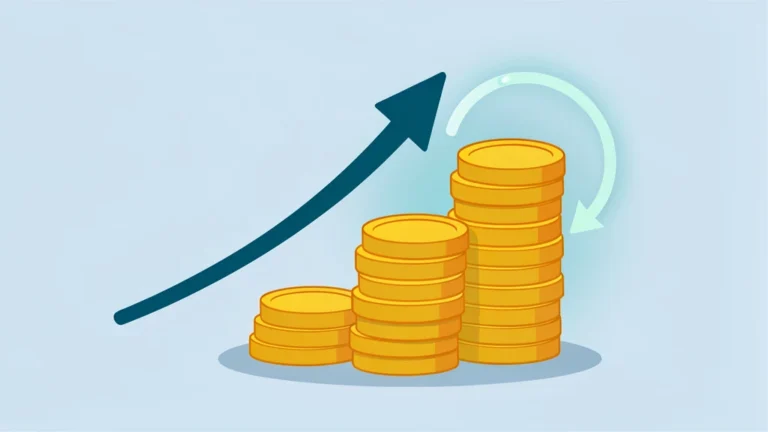
Ever notice your student loan balance creeping up even though you stopped borrowing? That is interest at work. On most federal student loans, interest is charged every single day on the amount you still owe. It is the price of borrowing the money, and it keeps adding up from the day your loan pays out until the day you pay it off. Once you understand how that daily charge is figured, when it gets folded into your balance, and why some loans cost more than others, the whole system stops feeling like a mystery.
Student loan interest is usually charged daily on your current balance. Each day’s interest equals your balance times your yearly rate divided by 365. If you do not pay that interest, it can capitalize, meaning it gets added to your principal so you then owe interest on a bigger number. Subsidized federal loans have interest covered by the government during school and certain periods, while unsubsidized loans charge you interest the whole time. Rates matter too: most federal loans are fixed, while many private loans can be variable.
How Student Loan Interest Accrues Each Day
Most federal student loans use what is called daily simple interest. That means interest is calculated on your outstanding balance every day, not once a month.
Your lender takes your annual interest rate and divides it by 365 to get a daily rate. Then it multiplies that daily rate by your current balance. The result is how much interest you owe for that one day.
This daily charge explains why your balance can grow even when you are not in repayment yet. On unsubsidized loans, each day adds a little more interest, and those small amounts stack up over weeks and months into real money.
- Interest is figured on the balance you owe right now.
- A higher balance or higher rate means more interest per day.
- Paying early in the month lowers the balance sooner, so less interest builds.
The Daily Interest Formula and a Worked Example
The math behind the daily charge is short and easy to follow. Here is the formula in plain text:
Daily Interest = Balance x (Rate / 365)
Say you owe $10,000 at a 6.5% fixed rate. Divide 0.065 by 365 to get a daily rate of about 0.000178. Multiply that by $10,000 and you get roughly $1.78 of interest per day.
Over a 30-day stretch that is about $53, and over a 31-day month closer to $55. Across a full year, that one loan adds up to about $650 in interest. Want to see your own numbers across the full life of a loan? Try the Student Loan True Cost Calculator to estimate the total interest you would pay.
What Loan Capitalization Means
Capitalization is the step that surprises many borrowers. It happens when unpaid interest gets added to your principal balance.
Here is the problem. After capitalization, you start paying interest on that larger balance. In other words, you begin paying interest on interest.
Picture the $10,000 loan again. Suppose a year of interest, about $650, goes unpaid and then capitalizes. Your balance becomes $10,650, and your daily interest rises from about $1.78 to about $1.90. The loan now costs a bit more each day than it did before.
Capitalization does not happen at random. It tends to occur at set moments, such as when your grace period ends and repayment begins, or when you leave certain deferments. The exact triggers can change with federal rules, so confirm the current ones with your servicer.
Subsidized vs Unsubsidized Loans
Federal student loans come in two main types, and the difference is all about who pays the interest during school.
With a Direct Subsidized Loan, the government covers the interest while you are in school at least half-time, during your grace period, and during approved deferment. With a Direct Unsubsidized Loan, interest is your responsibility the entire time, starting the day the loan pays out.
| Feature | Subsidized | Unsubsidized |
|---|---|---|
| Who pays interest in school | The government pays it | You owe it from day one |
| Interest during grace period | Covered for you | Keeps adding to your balance |
| Based on financial need | Yes, for eligible students | No, more widely available |
| Risk of capitalization | Lower during covered periods | Higher if interest goes unpaid |
This is why two students who borrow the same amount can owe different totals at graduation. The unsubsidized borrower has been racking up interest the whole time, while the subsidized borrower has not.
Fixed vs Variable Interest Rates
The type of rate on your loan decides whether your cost can change over time. There are two kinds.
- Fixed rate: the rate stays the same for the life of the loan. Your interest math is predictable from start to finish.
- Variable rate: the rate can rise or fall with the market, so your daily interest can change too.
Federal student loans carry fixed rates that are set each year for new loans. Many private student loans offer variable rates, though some private lenders offer fixed rates as well. A variable rate may start lower but can climb later, which makes your total cost harder to predict.
Because rates and the yearly federal figures change often, treat any number you see as a snapshot. Always check the current rate on your own loan before you plan around it.
How Paying Interest During School Helps
You are not required to make payments on most loans while you are in school. But on unsubsidized loans, paying even a little interest early can save you real money.
Every dollar of interest you pay before capitalization is a dollar that never joins your principal. That keeps your balance from growing and stops the interest-on-interest effect before it starts.
Go back to the $10,000 example. Covering that roughly $1.78 per day, or about $53 a month, keeps your balance at $10,000 instead of letting a year of interest swell it to $10,650. Small, steady payments during school make the loan cheaper overall.
Once you are in repayment, the strategy shifts from slowing interest to choosing a plan and a payoff pace. For that, see our guides on Standard vs Income-Driven Repayment Plans, How to Pay Off Student Loans Faster, and Should You Refinance Your Student Loans?
The Life of Your Loan Interest: A Timeline
Interest behaves differently across the stages of a loan. This timeline shows the three main phases and what happens to interest in each.
Curious what a loan will really cost you over its full term, including all that daily interest? Run your numbers through the Student Loan True Cost Calculator. It estimates your total interest and payoff so you can see the full price of borrowing before you commit.
Frequently Asked Questions About Student Loan Interest
How Is Student Loan Interest Calculated?
Most federal student loans use daily simple interest. Your lender divides your yearly rate by 365 to get a daily rate, then multiplies it by your current balance. That gives the interest for one day. Those daily amounts add up over the month, so a larger balance or higher rate means you pay more each day.
What Does It Mean When Student Loan Interest Capitalizes?
Capitalization means unpaid interest gets added to your principal balance. After that, interest is charged on the new, larger balance, so you pay interest on interest. It often happens at set points, such as when repayment begins after your grace period. Paying interest before it capitalizes keeps your balance from growing.
What Is the Difference Between Subsidized and Unsubsidized Loans?
With a subsidized loan, the government pays the interest while you are in school at least half-time, during your grace period, and during approved deferment. With an unsubsidized loan, you owe the interest the entire time, starting the day it pays out. That is why unsubsidized loans often grow faster before repayment.
Does Interest Build While I Am Still in School?
On unsubsidized loans, yes. Interest accrues daily from the moment the loan pays out, including while you are in school and during your grace period. On subsidized loans, the government covers interest during those qualifying periods, so your balance does not grow from interest at that time.
Are Student Loan Interest Rates Fixed or Variable?
Federal student loans have fixed rates that stay the same for the life of the loan. Many private student loans offer variable rates that can rise or fall with the market, though some private lenders also offer fixed options. A variable rate may start low but can climb, making your total cost harder to predict.
Should I Pay Interest While in School?
You do not have to, but paying interest on unsubsidized loans during school can save money. Every dollar you pay before capitalization never joins your principal, so your balance stays smaller. Even small payments, like the daily interest on your loan, stop the interest-on-interest effect before repayment begins.
Why Is My Loan Balance Higher Than What I Borrowed?
Unpaid interest is the usual reason. If interest accrued while you were in school or during grace and then capitalized, it was added to your principal. Your balance can be noticeably higher than the original amount you borrowed. Checking your servicer statement shows how much of your balance is principal versus added interest.
Sources
Authoritative Sources Used in This Article
This article is for general education only, not financial advice. Student loan rules, interest rates, and repayment and forgiveness programs change often, so check your loan servicer and official sources like StudentAid.gov for your own situation. Reviewed for accuracy by Prof. Dr. Khalil Mudassar, PhD. Last updated September 12, 2026.
Author

Shakeel Muzaffar is the Founder and Editor-in-Chief of MultiCalculators.com, bringing over 15 years of experience in digital publishing, product strategy, and online tool development. He leads the platform's editorial vision, ensuring every calculator meets strict standards for accuracy, usability, and real-world value. Shakeel personally oversees content quality, formula verification workflows, and the platform's commitment to publishing tools that are genuinely useful for students, professionals, and everyday users worldwide.